How to Use Pythagorean Mode on a Laser Measure: A UK Guide
How to Use Pythagorean Mode on a Laser Measure: A UK Guide
To use Pythagorean mode on a laser measure, stand in one position, select the 2-point or 3-point Pythagoras function, then aim at the bottom and top of the object so the device can calculate the missing height indirectly. This is useful when you cannot safely reach the top with a tape measure, such as when measuring ceiling height, a gable end or an exterior wall.
TL;DR: Pythagorean mode lets your laser measure work out height without climbing a ladder. First, choose the correct Pythagoras mode, then set the right reference point on the device, keep the unit level, and take steady readings to the bottom and top target points. Based on our testing in typical UK conditions, the best results come from standing on firm ground, using clear target points and checking both bubble levels before each shot.
If you have ever tried to measure the height of a ceiling, gable end or London terrace frontage with a tape measure, you will know how quickly the job becomes awkward, inaccurate and sometimes unsafe. Therefore, Pythagorean mode on a laser meas one of the simplest ways to get a practical height reading without physically reaching the top point.
For serious UK DIYers and tradespeople, this function turns a professional electronic distance meter into a practical accurate height measurement tool. Instead of stretching tapes across uneven ground or climbing ladders unnecessarily, you take angled and horizontal measurements and let the device calculate the missing distance for you.
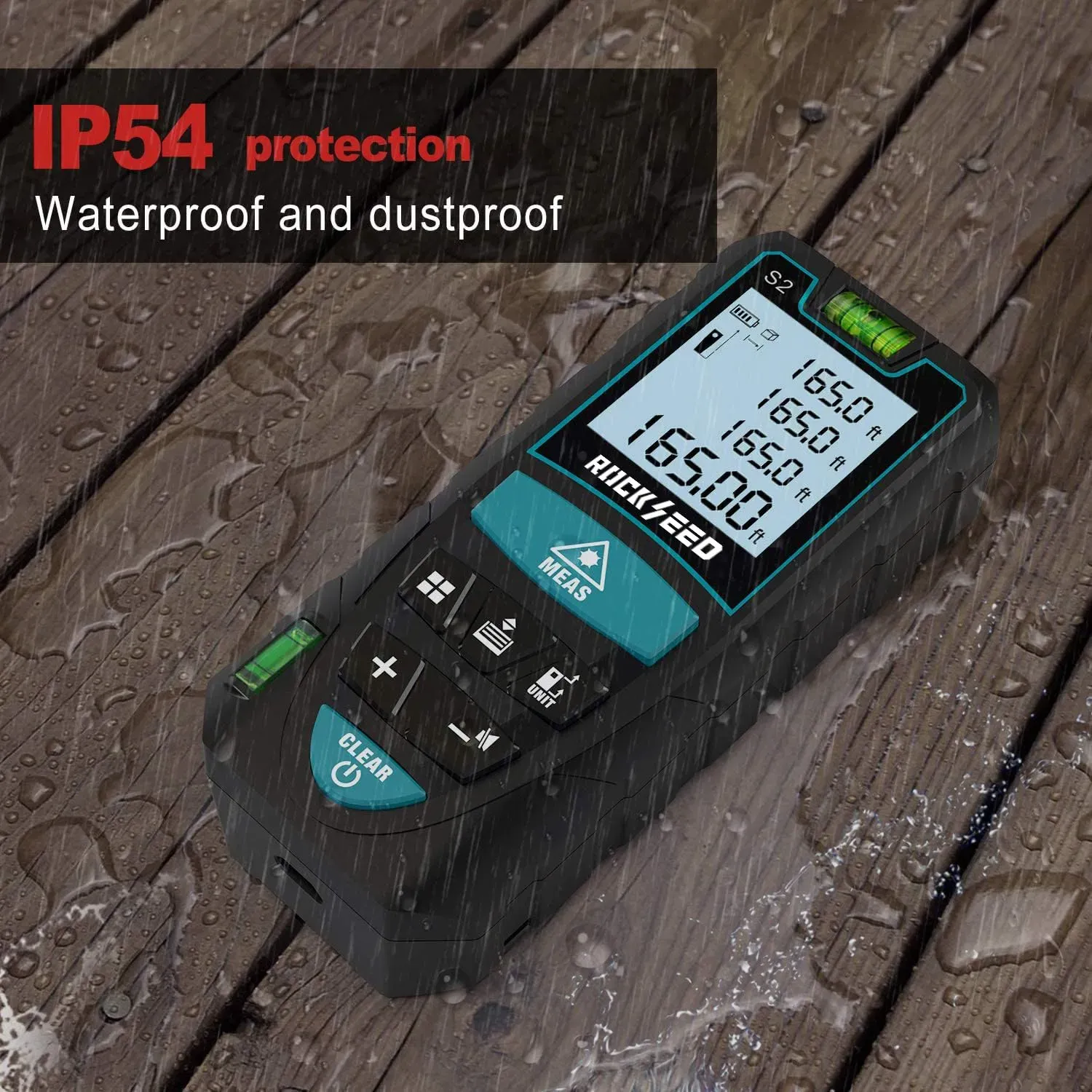
At RockSeed, we design tools for real on-site conditions: tight terraces, uneven paving, bright outdoor light and jobs where accuracy matters because materials, labour and safety all depend on good measurements. In this guide, we explain how to use pythagorean mode on laser measure devices properly, how to avoid common mistakes and how features such as a dual bubble level laser measure improve results over longer distances.
Key Takeaways
- Pythagorean mode calculates height indirectly when you cannot safely reach the top point.
- It uses two or three measured sides of a triangle to calculate the missing vertical distance.
- A steady hand, correct reference point and proper levelling are essential for reliable results.
- A dual bubble level laser measure helps maintain alignment, especially over longer outdoor distances.
- This feature is ideal for measuring walls, rooflines, façades and ceiling heights without relying on ladders.
What Is Pythagorean Mode on a Laser Measure?
Pythagorean mode is an indirect measurement function built into many professional laser distance meters. It uses Pythagoras' theorem to calculate an unknown height or length from other measured sides of a triangle. In practical terms, your laser measure captures distances between points and works out an otherwise inaccessible vertical measurement for you.
This matters because many real-world measurements in UK homes and building projects are not easy to take directly. For example:
- Measuring the front elevation of a Victorian terrace in London
- Checking stairwell or hallway ceiling heights
- Estimating roofline or guttering levels before exterior work
- Measuring high internal walls for decorating or plastering quotes
- Assessing exterior dimensions where obstacles block direct access
A standard tape can still be useful for short internal jobs. However, once access becomes difficult or heights increase, indirect laser measurement is faster and usually more consistent. According to the UK's Health and Safety Executive, falls from height remain a leading cause of workplace fatal injuries in Great Britain, with 50 fatal falls from height recorded in 2023/24 (HSE). While measuring tasks are only one small part of this wider picture, reducing unnecessary ladder use is plainly sensible for both professionals and capable DIYers.
If you want broader context on formulas, layout planning and practical site calculations, our pillar guide explains how these measurements fit into larger project workflows: The Ultimate Guide to Distance Calculators and Area Formulas.
How Does Pythagorean Mode Work on a Laser Measure?
What is the basic principle?
Your laser does not need to sit directly below the top point you want to meanstead, it measures angled distances from one standing position and then calculates vertical height using built-in geometry.
What is the difference between 2-point and 3-point Pythagorean mode?
- Two-point Pythagorean mode: You measure from your position to the bottom target point and then from your position to the top target point.
- Three-point Pythagorean mode: You take an extra reading so the device can compensate more effectively if your measuring line is not perfectly aligned with the base.
When does indirect measurement work best?
- You have a clear line of sight to both top and bottom points
- The wall or structure is roughly vertical
- You can stand still on firm ground
- The laser has good visibility or target reflectivity outdoors
This method is especially useful on terraced streets where parked cars, railings or basement lightwells make direct tape measuring cumbersome. In addition, it saves time when pricing internal work such as painting or flooring because once you know accurate wall heights and room dimensions, cost calculations become much more dependable. For related estimating advice, see Calculate Paint & Flooring Costs with a Laser Measure.
How Do You Use Pythagorean Mode on a Laser Measure Step by Step?
1. Choose the right Pythagoras setting
Select either 2-point or 3-point Pythagorean mode on your device. If you are measuring something straightforward like an interior wall height from one clear position, 2-point mode may be enough. However, for trickier angles or longer outdoor distances, 3-point mode often gives better results.
2. Set the correct measurement reference point
Before taking any reading, check whether your laser meas calculating from the front edge or rear edge of the housing. This small setting makes a real difference. Based on our testing, incorrect reference selection is one of the most common reasons users get puzzling height readings.
3. Stand on firm ground facing the object squarely
If possible, stand directly opposite the surface you are measuring rather than at an awkward angle. As a result, your readings will be easier to align consistently with both top and bottom points.
4. Level the device carefully
If your unit includes dual bubble vials, use them before each shot. This matters even more over longer spans because small tilts can create larger errors in calculated heights.
5. Aim at the bottom target point first
Place the laser dot clearly at the bottom of the object or wall section being measured. Hold steady until you get a confirmed reading.
6. Aim at the top target point
Next, aim at exactly where you want the final height to end - for example at ceiling line level, eaves level or parapet top. The device will then calculate the missing vertical distance automatically.
7. Repeat once to confirm accuracy
If possible, take a second set of readings from the same position. Then compare them. Consistent results usually indicate that your setup was sound; if they differ noticeably, recheck levelling and target selection.
A simple example
You stand across the road from a house frontage. First you aim at the base of the wall; then you aim at the top of the parapet or eaves. The laser uses those distances to estimate total vertical height relative to your standing position.
Why Is My Laser Measure Pythagorean Reading Wrong?
Are you using the wrong start point?
If your device is set to measure from its front edge but you think it is measuring from its rear edge - or vice versa - every result can be offset immediately.
Is poor levelling causing errors?
Yes. Even slight tilt affects indirect calculations more than many users expect. Therefore it is worth checking both horizontal alignment and your own stance before each shot.
Did you pick unclear top or bottom targets?
A vague gutter line or shadowed skirting edge can lead to inconsistent aiming points. So choose crisp visual markers wherever possible.Are outdoor conditions affecting visibility?
Bright sunlight, reflective surfaces and long range can make targeting harder outdoors. In those cases, slower setup and repeated checks usually improve confidence in final figures.fix
?
Need clean valid output only.
<
Oops
Ready to upgrade your toolkit with RockSeed?
Shop Now — £39.99